
Mudgee is known for its incredible produce. From the grapes that become some of Australia’s most celebrated wines to the cherry orchards that locals flock to each spring, the region has earned a reputation for growing things exceptionally well.
Another fruit that flourishes in Mudgee’s climate? Olives.
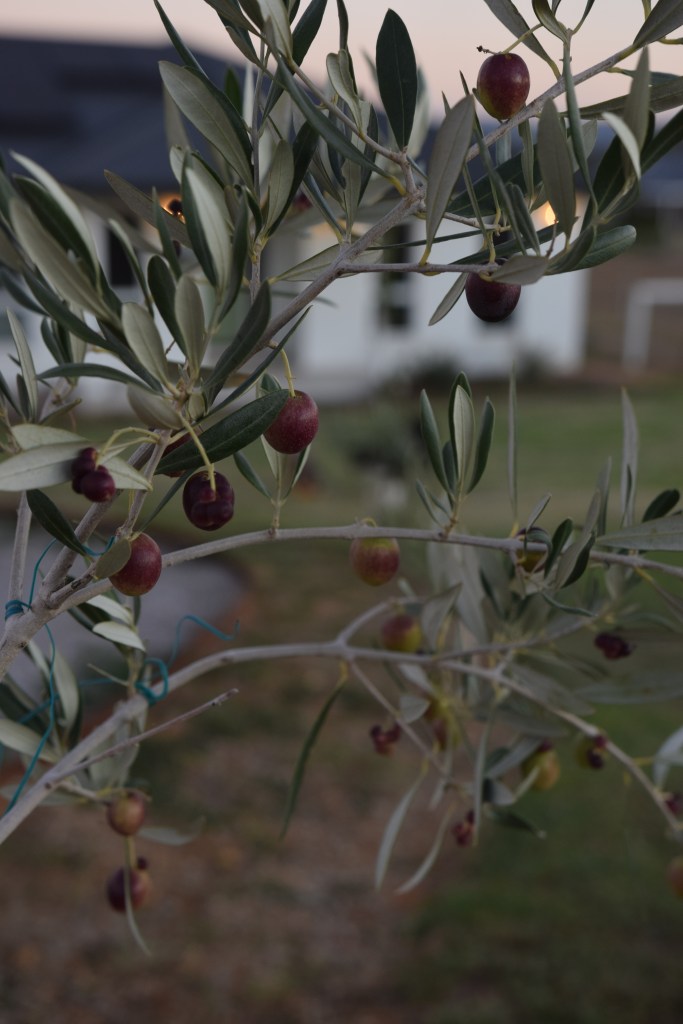
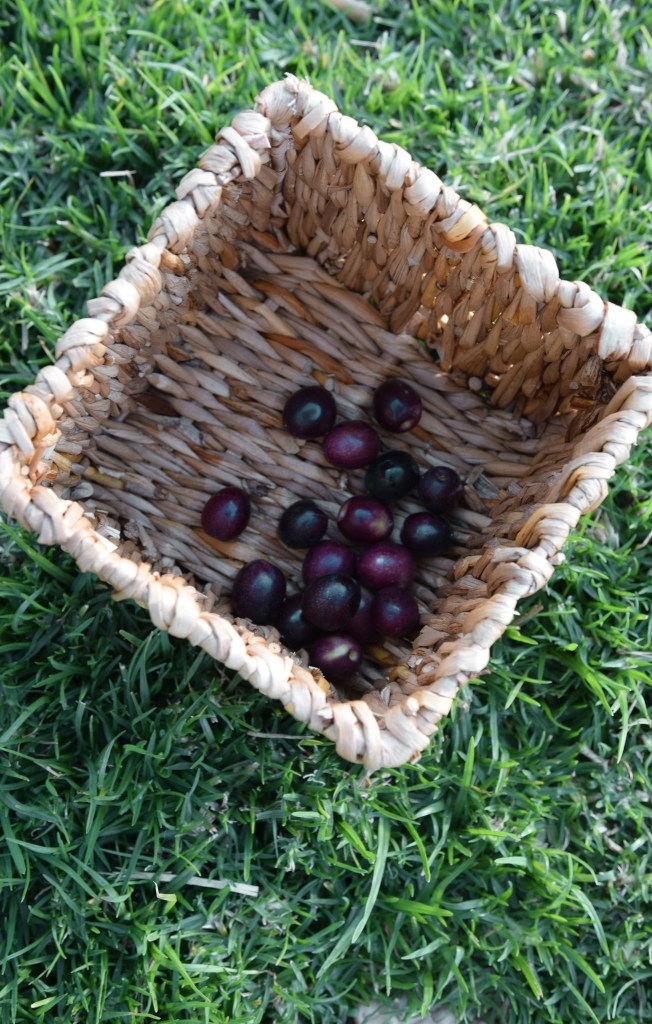
Last year we planted ten semi-mature Verdale olive trees along our driveway, fully expecting to wait a few years before they rewarded us with a harvest. Much to our surprise, one ambitious little tree decided it was ready for business, producing a small crop of olives that ripened from bright green to a deep plum colour by autumn.
Now, I’ll happily admit that olive curing wasn’t exactly in my repertoire. Before this, my experience with olives extended about as far as adding them to a grazing board. Armed with advice from my nanna—who has been living off her own produce for as long as I can remember—and a few late-night Google rabbit holes, I felt just confident enough to give it a go.
Verdale olives are wonderfully versatile and can be used for both olive oil and table olives. However, with fewer than twenty olives to my name, I figured the teaspoon of olive oil I’d end up with probably wasn’t worth the effort. Table olives it was.
The first lesson I learned? Never eat an olive straight from the tree. Trust me. They’re incredibly bitter thanks to a natural compound called oleuropein, so before they’re fit for eating they need to be leached.
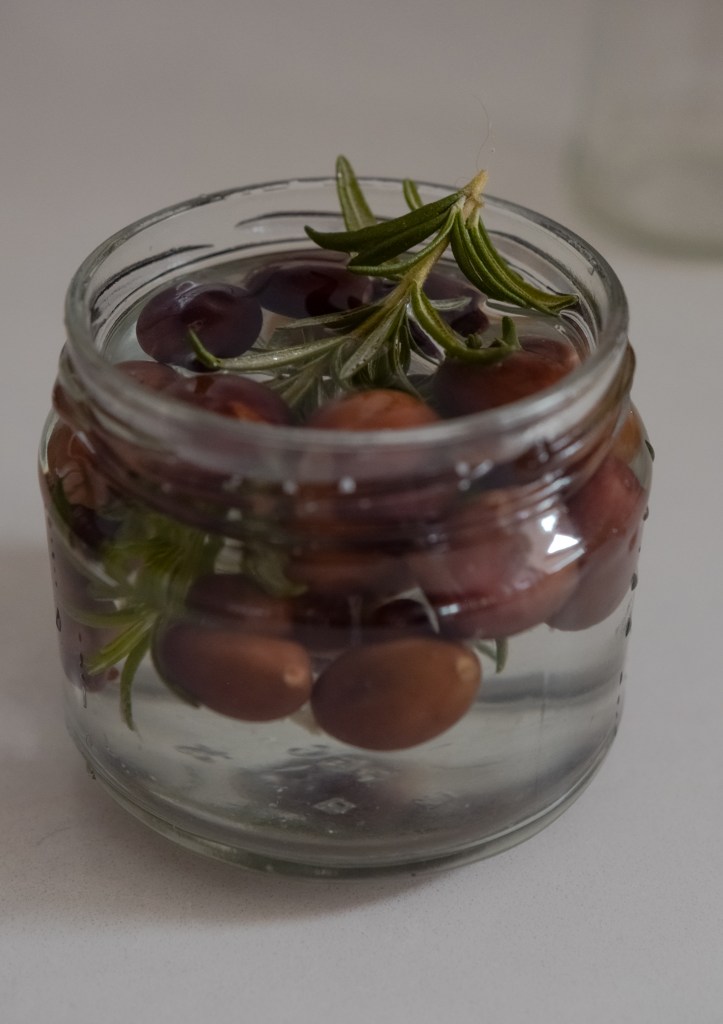
I placed the olives into a sterilised jar, covered them completely with fresh water (making sure every olive stayed submerged), and changed the water every 24 hours for two weeks. It became part of my daily routine.
After a fortnight, the bitterness had all but disappeared. They were edible, but still a little underwhelming, which is where the magic of brining comes in.
A simple brine not only preserves the olives but transforms their flavour over time. I mixed filtered water with a 10% salt solution before adding a few sprigs of fresh rosemary picked straight from the garden. Finally, I poured a thin layer of olive oil over the surface to help reduce oxidation and tucked the jar away to work its magic.
There’s something incredibly satisfying about serving your own homegrown olives. Sure, there were only enough to fill a small jar this season, but every olive felt like a little milestone. Paired with a wedge of local Mudgee cheese and a glass of regional wine, they tasted all the better knowing they came from a tree we’d planted ourselves.
Here’s hoping next year’s harvest is just a little more generous—because twenty olives disappear surprisingly quickly on a charcuterie board.


Leave a Reply